The Philippine poultry industry continues to evolve as demand for reliable, high-quality protein grows across households, food service, and retail channels. In this landscape, breed selection has become one of the most important decisions for farmers aiming to achieve consistent output and long-term profitability. The Ross chicken breed has emerged as a global benchmark in broiler production and is widely recognized as the foundation of modern commercial poultry systems.
In this blog, we explore why the Ross chicken breed is considered the world’s #1 leading breeder, how it compares to other chicken breeds, and why it serves as a strategic foundation for efficient and scalable farming. We also discuss how Bounty integrates the Ross chicken breed into its production system to support farmers and ensure consistent quality from farm to table.
Understanding Chicken Breeds in the Philippine Farming Landscape
The poultry sector in the Philippines is shaped by a mix of native, dual-purpose, and commercial chicken breeds. Each category plays a specific role in the value chain depending on production goals and market demand. Native breeds are known for resilience and adaptability, while dual-purpose breeds provide flexibility for both meat and egg production.
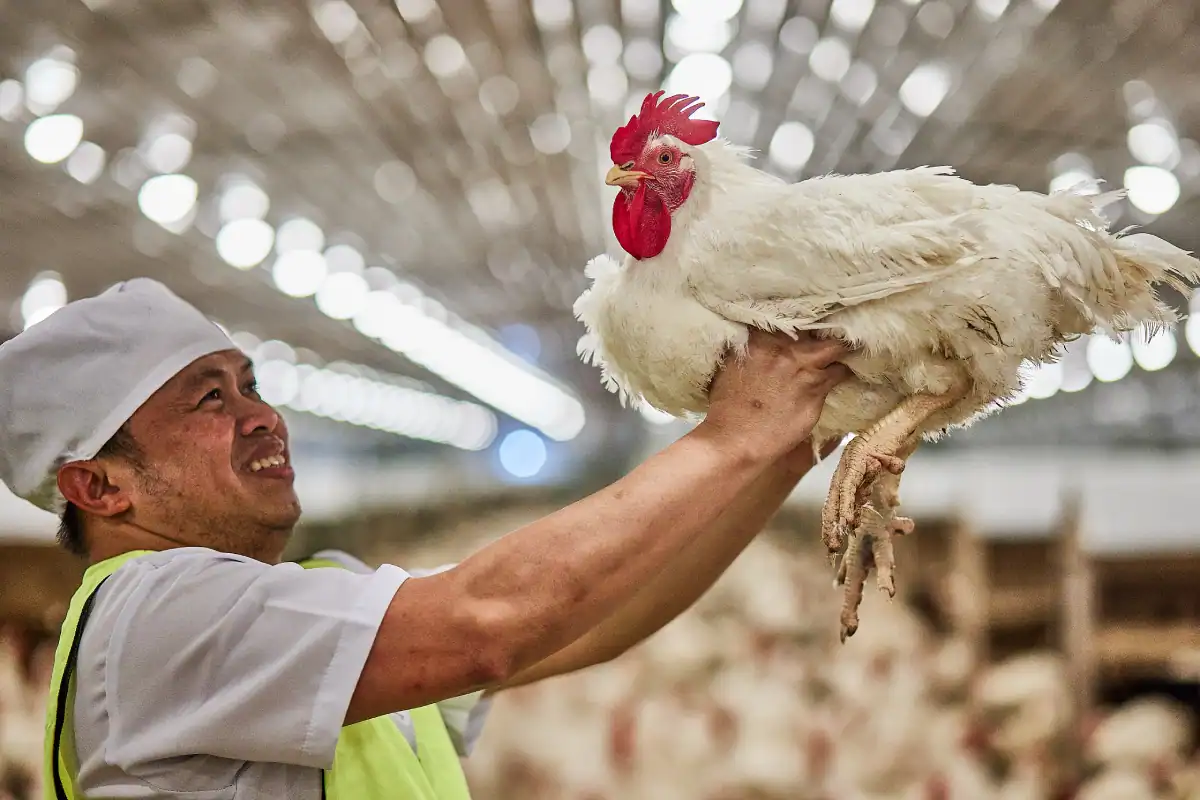
Commercial broilers, particularly the Ross chicken breed, are designed for performance. These breeds prioritize growth efficiency, feed conversion, and uniformity, making them essential for large-scale production systems. As consumer demand increases, the need for a predictable and efficient poultry supply has elevated the importance of high-performing commercial breeds.
According to the Food and Agriculture Organization, global poultry consumption continues to rise steadily, driven by affordability and nutritional value. This growth reinforces the need for efficient production systems supported by advanced genetics like the Ross chicken breed.
Ross Chicken Breed vs Other Chicken Breeds in the Philippines
When comparing chicken breeds, differences become clear in terms of productivity and scalability. Native breeds are valued for resilience, but operate at a smaller scale and a slower growth rate. Dual-purpose breeds provide moderate flexibility but lack the specialization required for high-volume meat production.
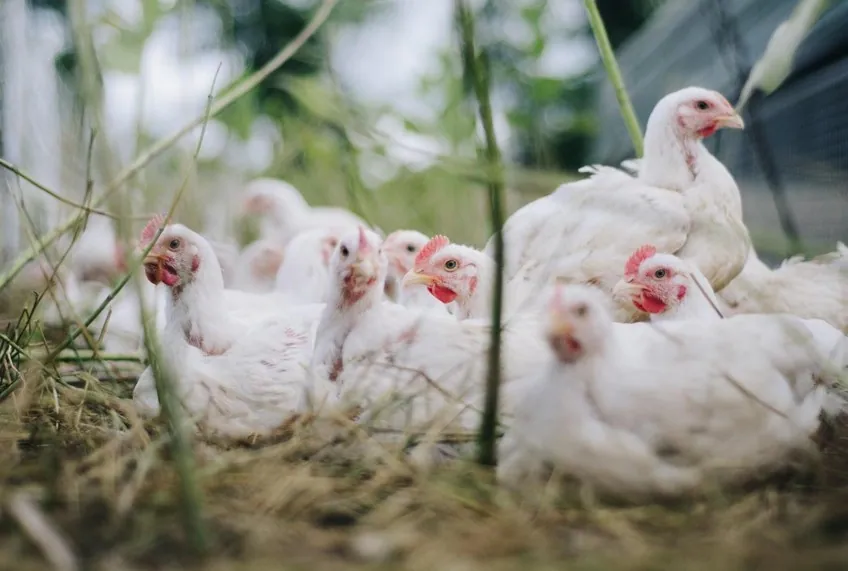
The Ross chicken breed stands out because it is specifically engineered for broiler production. It reaches market readiness faster than traditional breeds, allowing farmers to complete more production cycles within a year. This efficiency improves turnover and supports consistent supply chains.
Unlike other chicken breeds, the Ross chicken breed also offers uniformity in size and quality. This consistency is important for processors, retailers, and food service providers who require standardized products. For large-scale poultry operations, this level of predictability is a key advantage.
Performance Advantages of the Ross Chicken Breed
One of the strongest advantages of the Ross chicken breed is its feed efficiency. Feed represents a major cost in poultry production, and improved conversion rates directly impact profitability. The Ross chicken breed is optimized to convert feed into body mass efficiently, reducing waste and improving output per unit of input.
Another advantage is growth consistency. The Ross chicken breed develops uniformly, which simplifies farm management and processing. This uniformity reduces variability in production outcomes, allowing farmers to plan more effectively and meet market requirements with confidence.
Climate adaptability is also a key factor. While the Philippines presents challenges such as heat and humidity, the Ross chicken breed performs well under properly managed systems. With the right infrastructure and care, farmers can achieve stable results even in tropical conditions.
The World Health Organization highlights the importance of reliable protein sources in supporting food security. Efficient production systems like those using the Ross chicken breed help meet this demand at scale.
Why The Ross Chicken Breed Supports Scalable Farming
Scalability is a defining feature of modern poultry operations. The Ross chicken breed supports scalability by allowing farmers to expand production without compromising consistency. Its predictable growth cycle enables better planning across hatchery, grow-out, and processing stages.
In contrast to other chicken breeds, the Ross chicken breed reduces variability in output, which is essential for integrated supply chains. This makes it easier for producers to align production with market demand and distribution schedules.
For emerging farmers, scalability also means lower operational uncertainty. When combined with structured farming systems, the Ross chicken breed provides a foundation for gradual and controlled expansion.
The Ross Chicken Breed in Bounty’s Poultry System
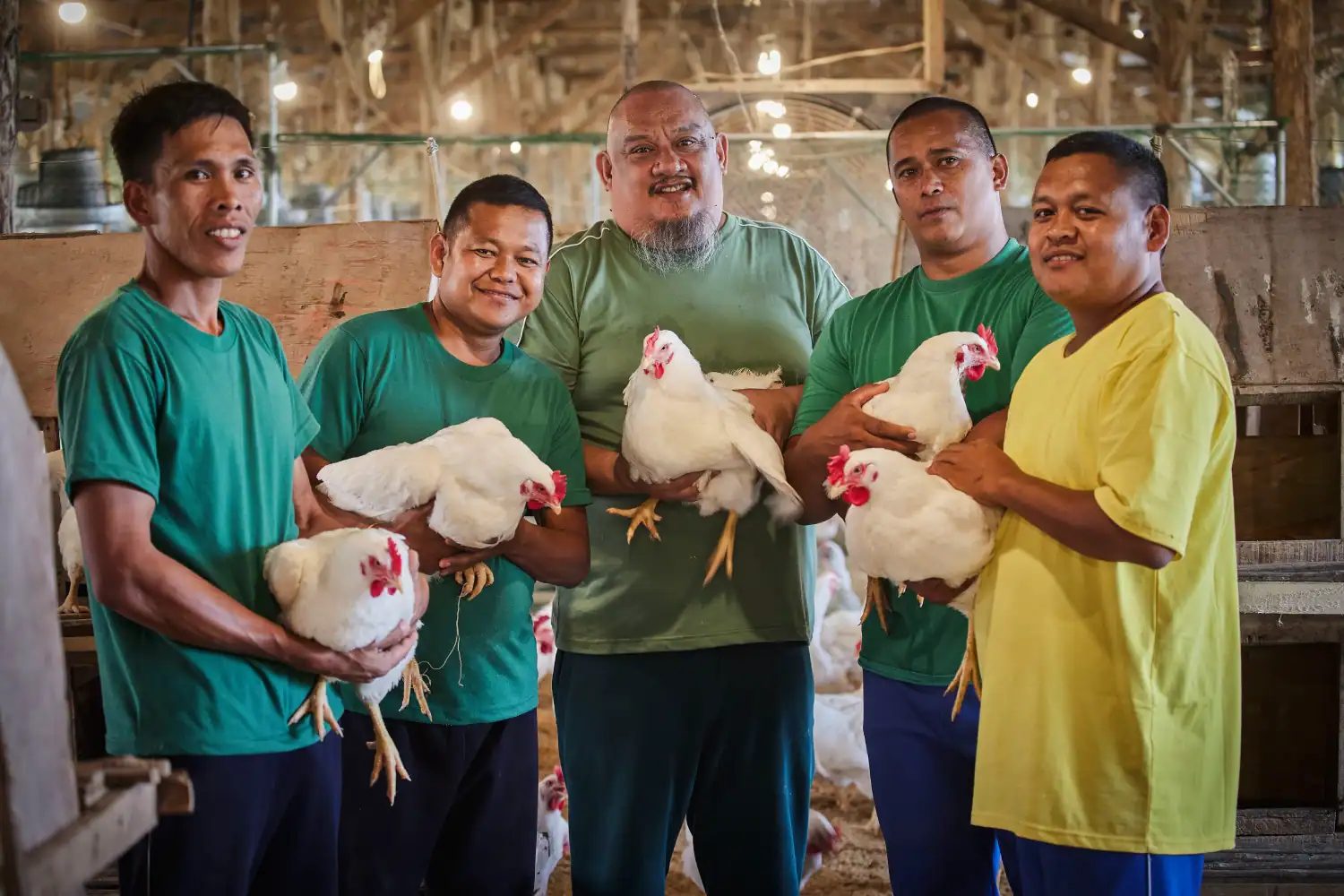
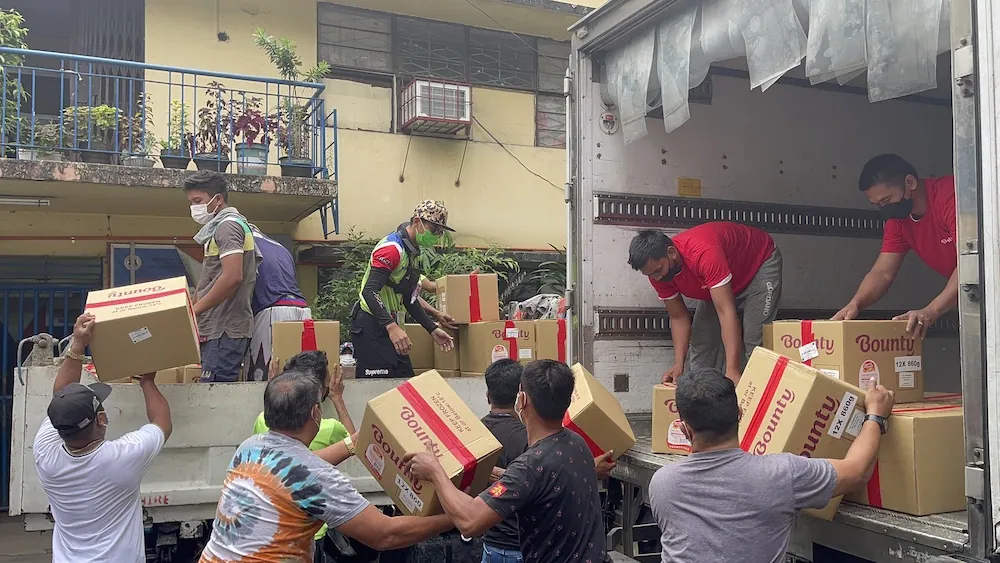
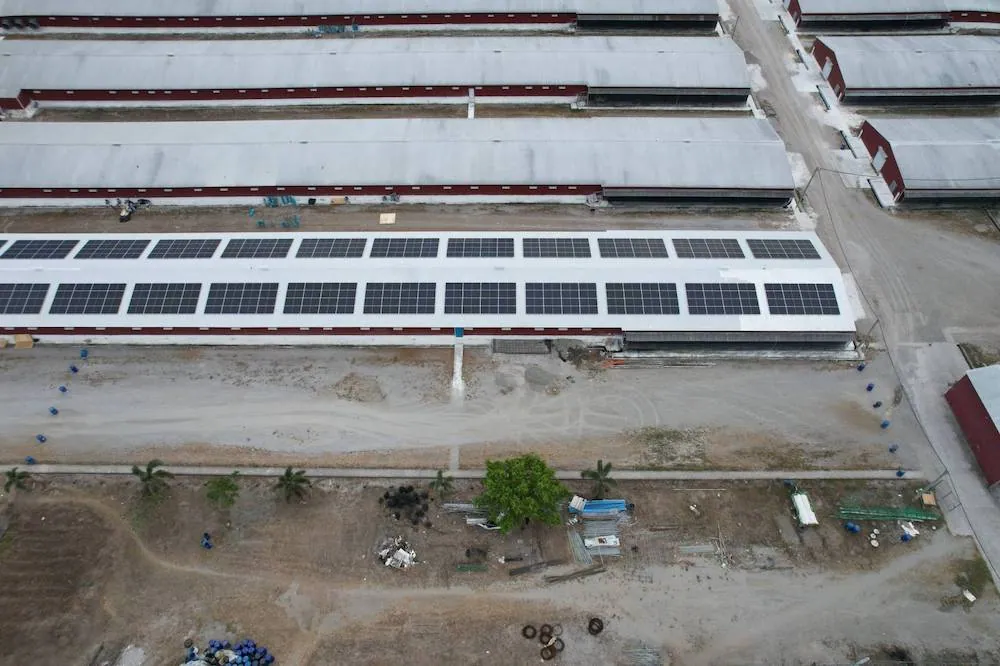
At Bounty, the Ross chicken breed plays a central role in delivering consistent poultry products to Filipino households. Its performance characteristics align with the company’s focus on efficiency, quality, and reliability across the production chain.
By using the Ross chicken breed, Bounty can maintain a stable supply while supporting farmers through structured programs. This integration ensures that production standards remain consistent from farm to processing and distribution.
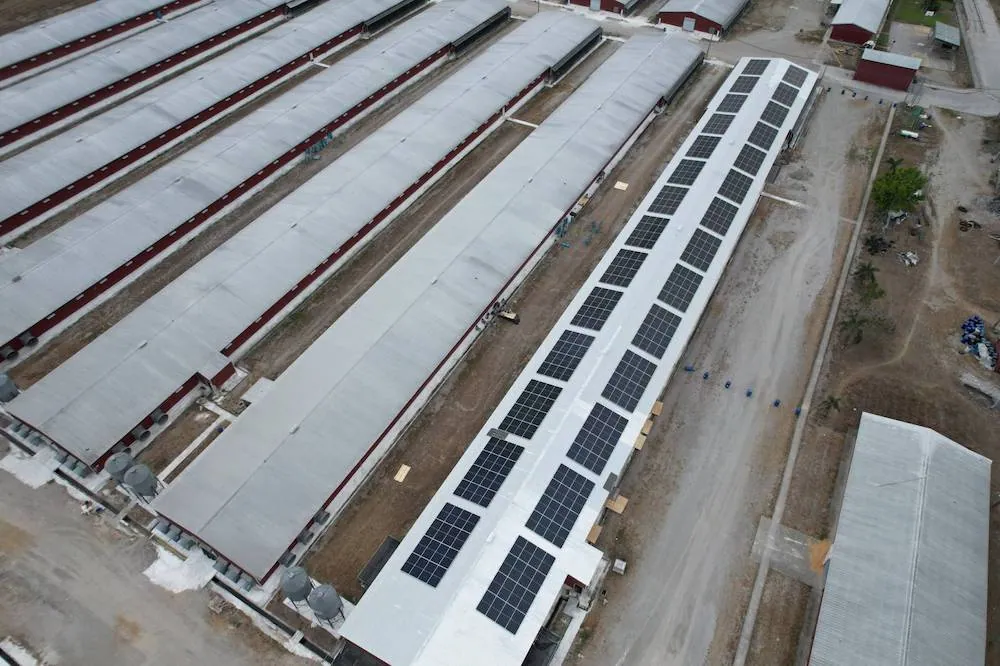
The Ross chicken breed also supports Bounty’s broader commitment to responsible and efficient farming practices. Its routine performance allows for better planning, reduced waste, and improved resource utilization across operations.
Choosing the Right Chicken Breed for Your Farm
Selecting the right chicken breed depends on production goals. Native breeds are suitable for small-scale or free-range systems, while dual-purpose breeds offer flexibility for mixed production. However, for farmers focused on efficiency and scale, the Ross chicken breed remains the most strategic option.
The Ross chicken breed is designed for commercial performance, making it ideal for producers who want consistent output and faster production cycles. Its advantages in feed efficiency, growth rate, and uniformity make it a strong foundation for modern poultry farming.
As the poultry industry becomes more competitive, the ability to rely on a proven breed like Ross becomes increasingly important for long-term sustainability.
The Future of Poultry Farming with the Ross Chicken Breed
The future of poultry farming in the Philippines will continue to prioritize efficiency, sustainability, and scalability. The Ross chicken breed is positioned at the center of this evolution due to its proven global performance and adaptability in commercial systems.
As demand for poultry protein increases, farmers will need breeds that can deliver consistent results under evolving market conditions. The Ross chicken breed provides that stability, making it a long-term solution for modern poultry production systems.
According to the Food and Agriculture Organization, sustainable livestock systems will play a key role in meeting future food demand. Efficient breeds like Ross contribute directly to this goal by improving productivity while optimizing resource use.
Build Your Poultry Business with Bounty
If you are looking to grow or start your poultry operation using the Ross chicken breed, partnering with Bounty provides access to structured farming systems, technical support, and reliable market integration. Through established programs, farmers can focus on production while benefiting from proven genetics and industry expertise.
Work with Bounty to build a stronger, more efficient poultry business with the right support. Learn more at bounty.com.ph.
Frequently Asked Questions
1. Why is the Ross breed considered the world’s #1 leading breeder?
The Ross breed is globally recognized for its superior genetic balance, offering the best combination of growth rate, feed efficiency, and robustness in various climates.
2. Which chicken breeds in the Philippines are best for free-range systems?
Native breeds, some dual-purpose breeds, and colored broilers are best suited for free-range farming. These chicken breeds are more adaptable to local climates and can thrive with less intensive management.
3. What is the difference between native and commercial chicken breeds in the Philippines?
Native chicken breeds in the Philippines are more resilient and suited for backyard or free-range systems, while commercial breeds are developed for faster growth or higher egg production, making them ideal for larger-scale operations.
4. How do I choose the right chicken breeds in the Philippines for my farm?
Choosing the right chicken breeds in the Philippines depends on your goals. If you prioritize resilience and low input, native breeds are ideal. For balanced meat and egg production, dual-purpose breeds work well. For high-volume production, commercial broilers and layers are the better choice.
5. Is the Ross breed suitable for new farmers?
Yes, especially when raised within Bounty’s contract farming model. Because Bounty provides the technical resources and the world’s #1 leading breeder stock, new investors can focus on facility management with a reduced risk profile.