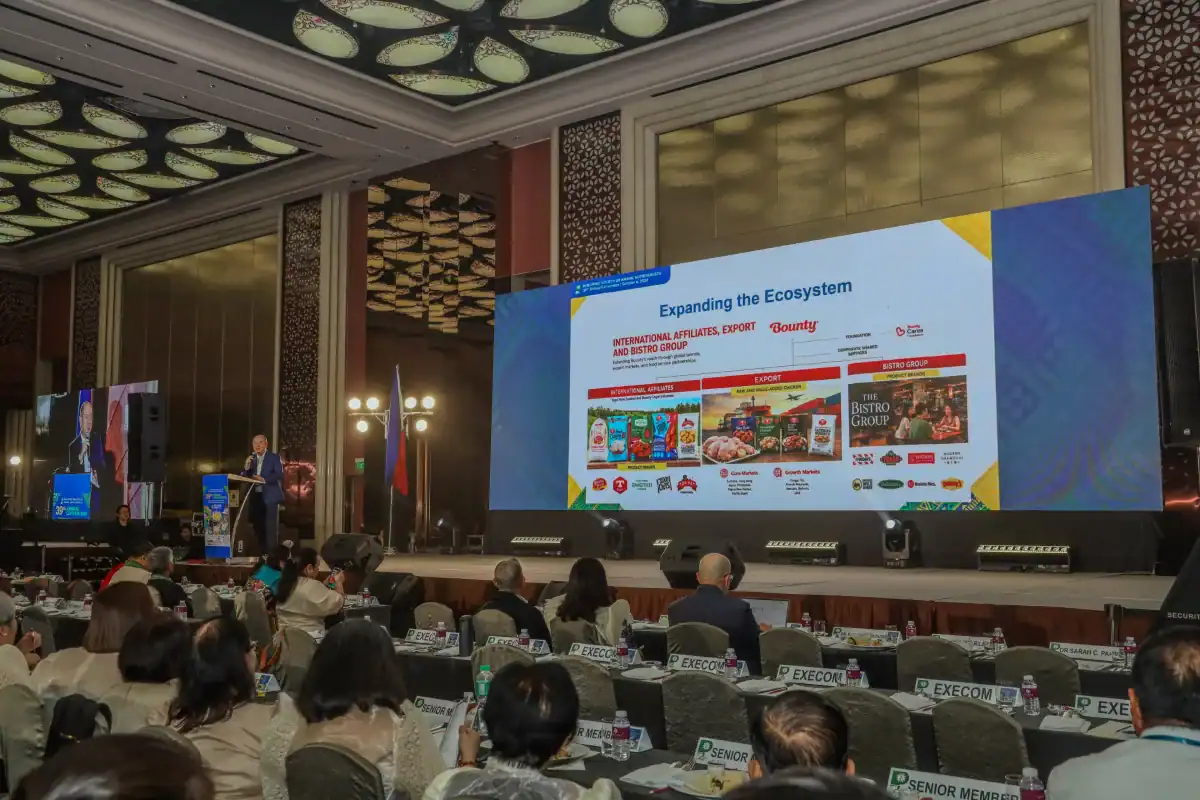
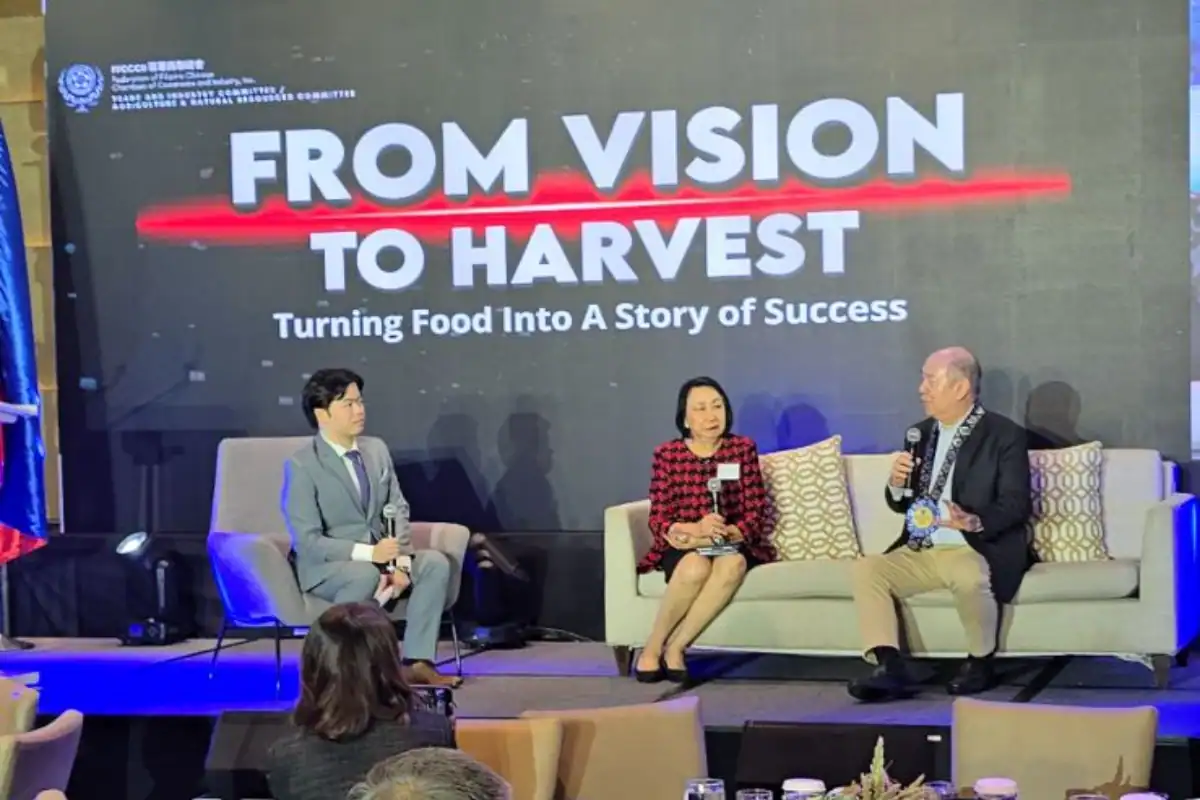
At the recent Federation of Filipino Chinese Chambers of Commerce and Industry, Inc. (FFCCCII) forum, “From Vision to Harvest,” the conversation centered on a vital question: How do we grow businesses in essential industries while staying true to their purpose?
Atty. Kenneth Cheng, President & CEO of Bounty Fresh Group Holding, Inc., joined the second panel to share how a company that started with a single poultry house in 1986 has scaled into an international food powerhouse.
The Pioneer Spirit: Building Success from Reclaimed Foundations
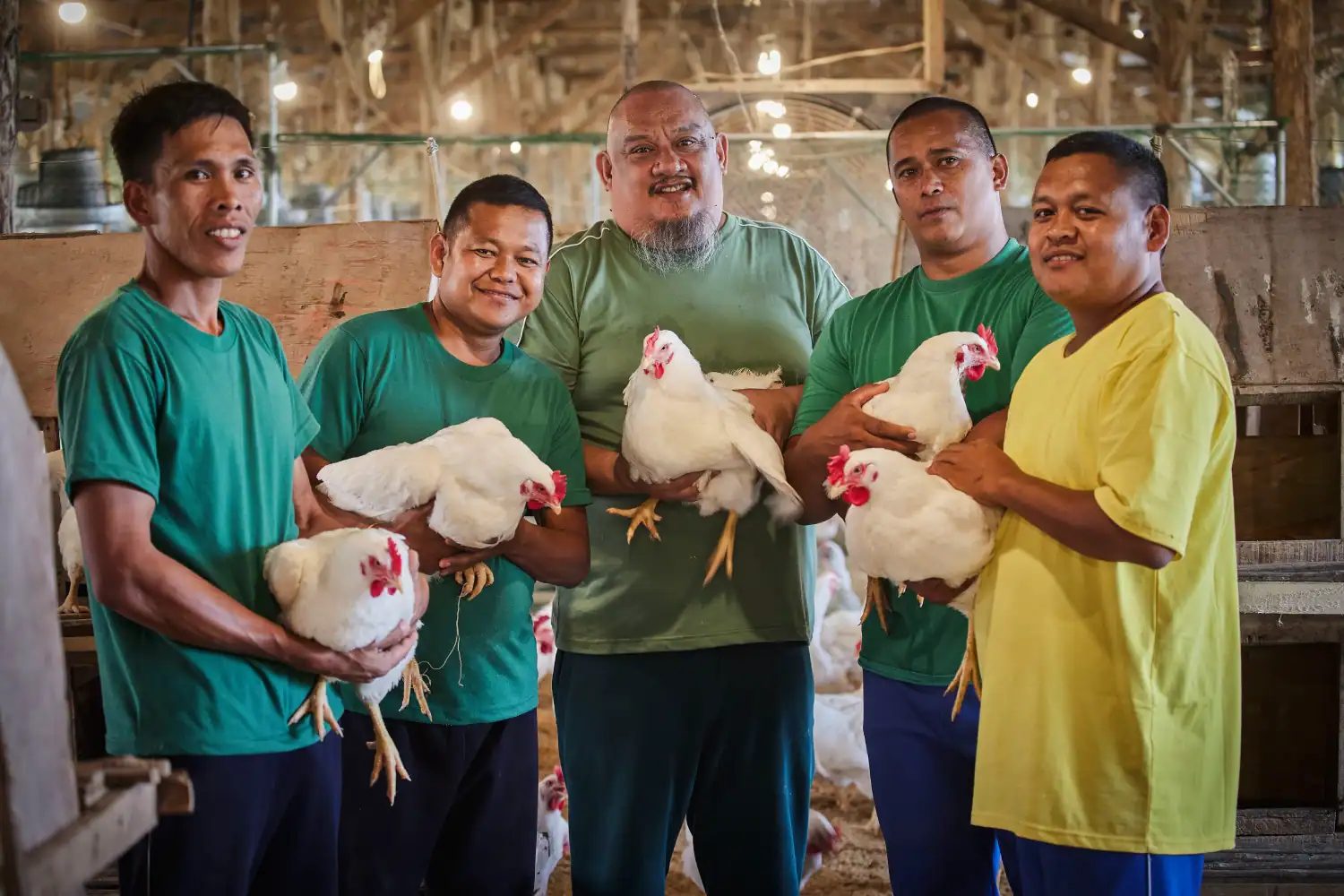
Atty. Kenneth reminded the audience that every great harvest begins with a single, often difficult, step. The journey began 40 years ago with just one poultry house, fueled by a level of grit that saw him working nearly seven days a week and spending his Sunday mornings on the farm. In a masterclass of bootstrapping, the company’s first feed mill was built using equipment sourced from an industrial salvage facility in the United States.
At the time, the shipping container actually cost more than the equipment inside, but it provided the necessary foundation for growth. This story stands as a testament to the fact that you don’t need a massive budget to start; you just need the vision to see the potential in reclaimed machinery where others see scrap.
Scaling Through Innovation and Automation
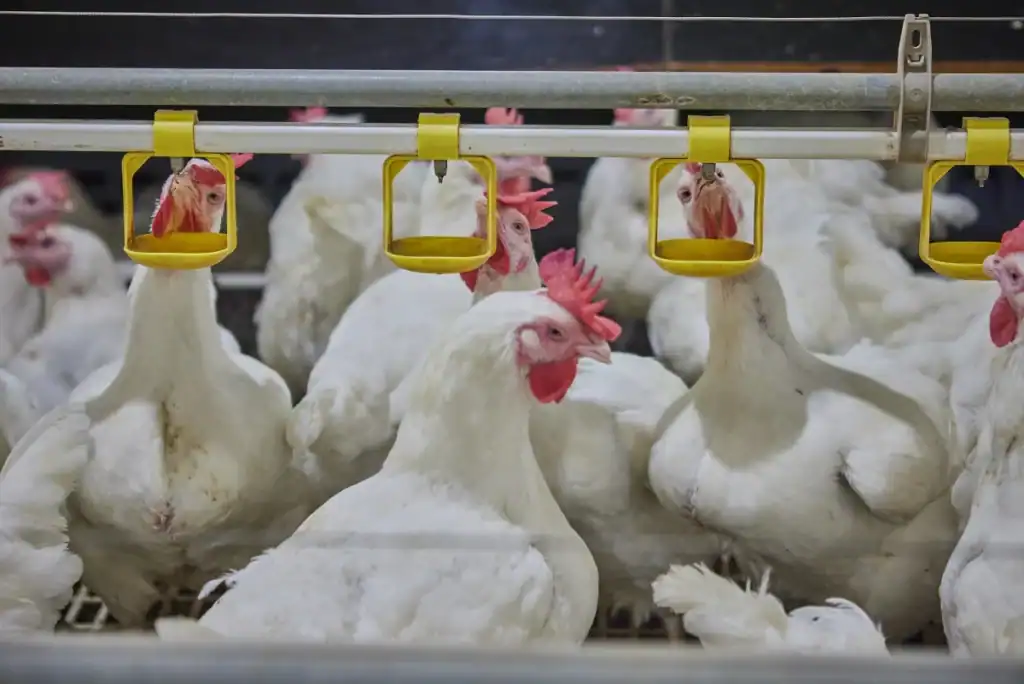
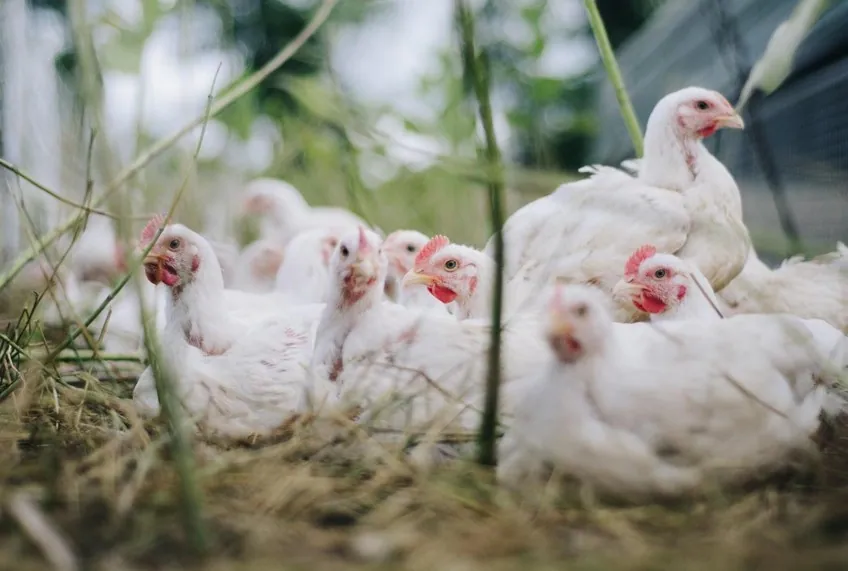
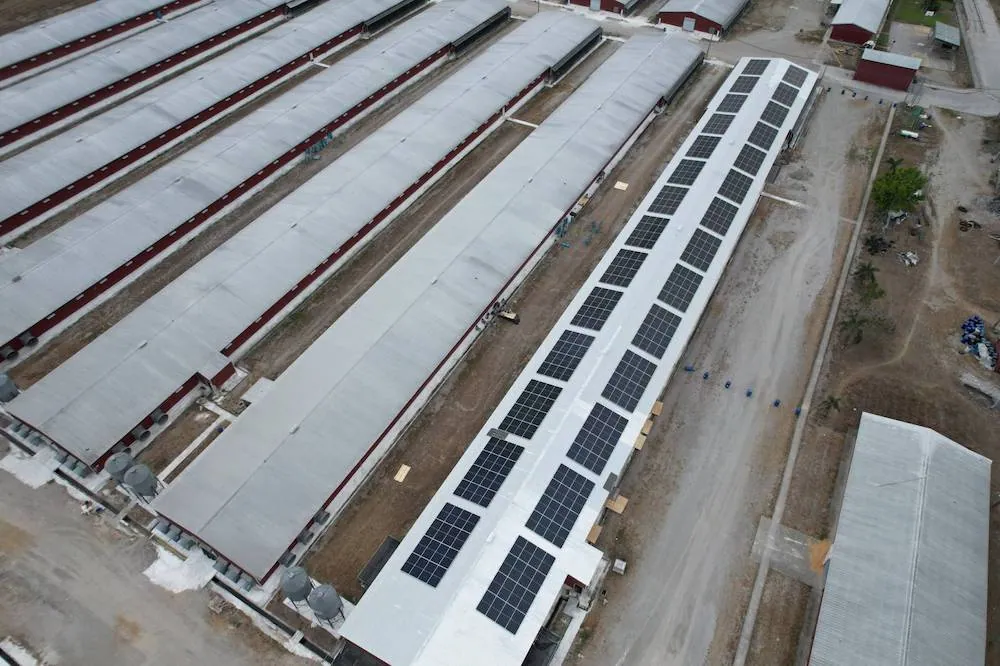
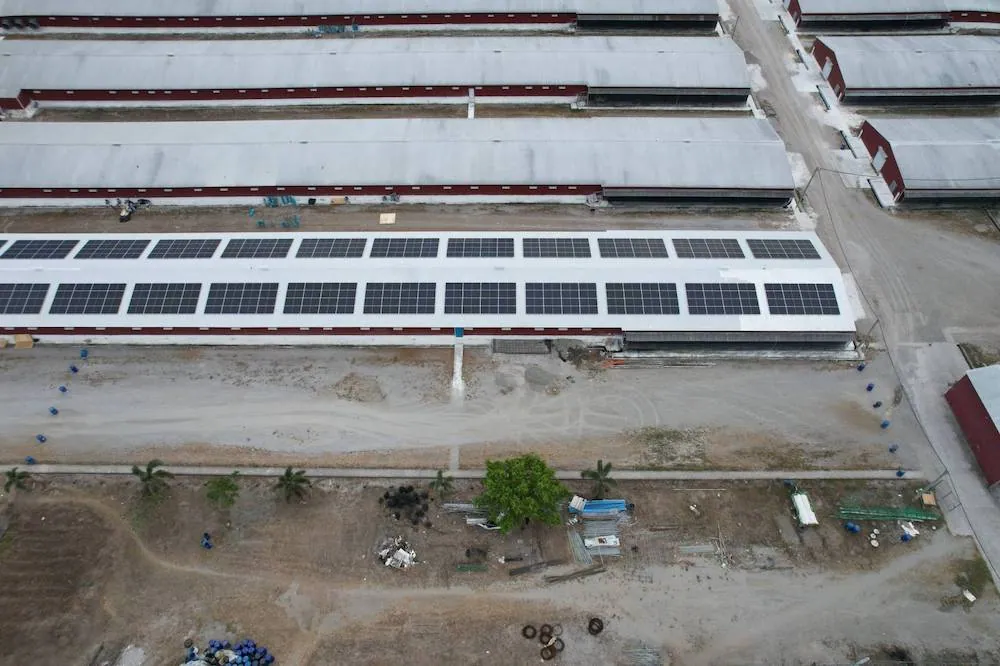
Scaling in an essential industry like livestock isn’t just about getting bigger; it’s about getting smarter. In 2000, a typical poultry house held 3,000 birds, but today, automated climate-controlled houses hold between 50,000 and 100,000 birds. This shift has created a massive leap in efficiency, where a single person can now oversee 120,000 to 200,000 birds through human-tech synergy.
To further refine this process, Bounty now utilizes cameras and predictive AI to monitor bird growth in real-time. This allows the team to predict the exact weight of the birds down to the hour and second, ensuring the highest standards of precision in the harvest.
The Partnership Philosophy: Risks, Resources, and Rewards
When asked for advice for the younger generation looking to enter the agricultural sector, Atty. Kenneth proposed a shift from traditional “buy-and-sell” relationships to true business partnerships. Bounty utilizes a contract market system where they provide the essential biological resources—such as the chicks, pigs, and feed—while the farmers provide the investment in facilities. By working together on a model of “Risks, Resources, and Rewards,” Bounty effectively takes on the market risk. If prices drop, the company absorbs the hit, which provides a safety net for investors and allows them to focus purely on farming excellence rather than market volatility.
A Future-Ready Vision for the Philippines
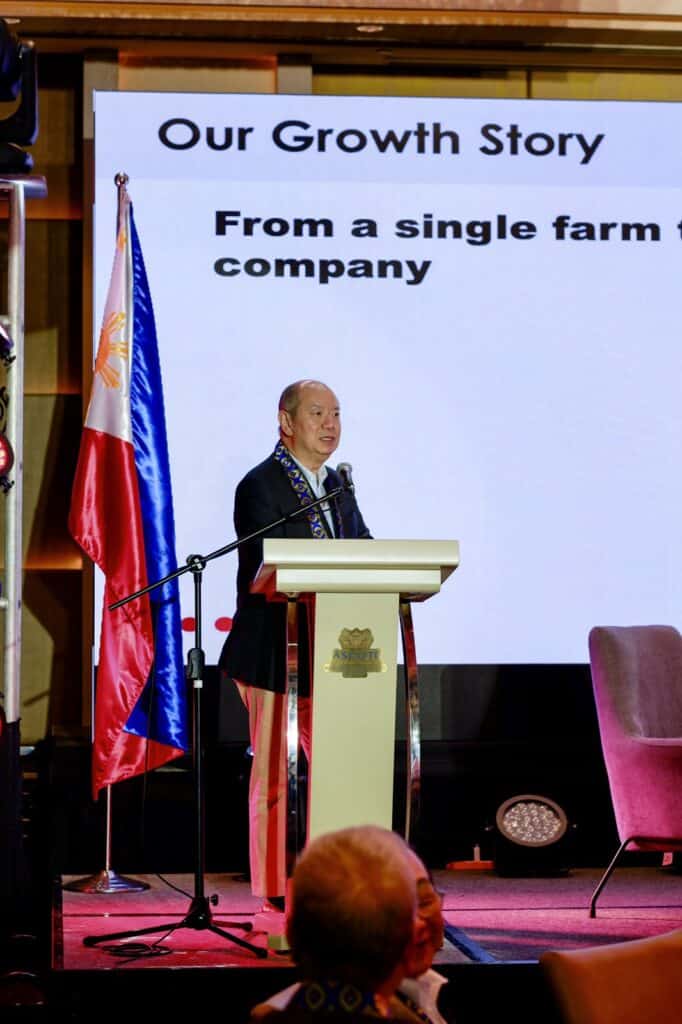
Looking toward the next 25 years, Atty. Kenneth remains incredibly optimistic about the Philippine market, where poultry consumption is projected to grow from 20 kilos per capita to 35–40 kilos over the next two decades. While focusing on local growth, Bounty has also established a resilient international footprint through Tegel in New Zealand and Bounty Segar in Indonesia. These expansions not only diversify the company’s operations but also allow it to export premium products to markets like Japan, Australia, and the Middle East. This international presence ensures the company remains resilient against localized risks, such as avian influenza, while continuing to provide world-class nutrition.
Ultimately, while technology and scale are essential tools, the core values of Family, Innovation, Responsible Growth, and Integrity remain the North Star. As Bounty celebrates its 40th Anniversary this July, the vision remains clear: to be the trusted choice, every day and everywhere.
Frequently Asked Questions (FAQ)
How has automation changed day-to-day farm operations?
Automation has allowed Bounty to manage exponentially more birds with higher precision. One person can now oversee up to 200,000 birds across two houses because feeding and climate control are fully automated. Furthermore, AI cameras now accurately predict weight growth by analyzing the flock in real-time.
What is the significance of the “industrial salvage” story?
It illustrates that you don’t need “shiny and new” equipment to succeed. By sourcing reclaimed machinery for their first feed mill, Bounty bootstrapped its way into a massive industry. It’s a lesson in being resourceful and focusing on functionality and long-term vision over initial optics.
How does Bounty protect itself against localized risks like Avian Influenza?
A key strategy is international expansion. By establishing a presence in different geographical locations like New Zealand and Indonesia, Bounty ensures that its supply chain remains resilient. If one region is affected by localized issues, the others can maintain stability and continue feeding families everywhere.