Starting a small poultry operation can begin with a simple idea: raising healthy chickens at home and gradually turning that experience into a sustainable livelihood. But a successful chicken coop requires more than four walls and a roof. In the Philippines, you must consider heat, humidity, rain, disease risks, and waste management before construction begins.
In this blog, we look at what goes into building a chicken coop at home, from choosing the right location and orientation to selecting an open or closed housing system. We also share practical considerations from Bounty’s poultry experience, including how proper housing, biosecurity, and disease management can help protect your birds and your investment as you prepare to grow.
Start With the Right Location
Before building a chicken coop at home, consider where it will be placed.
Choose an area with good drainage and enough space for the number of birds you plan to raise. The coop should have adequate airflow while remaining protected from excessive rain and strong winds.
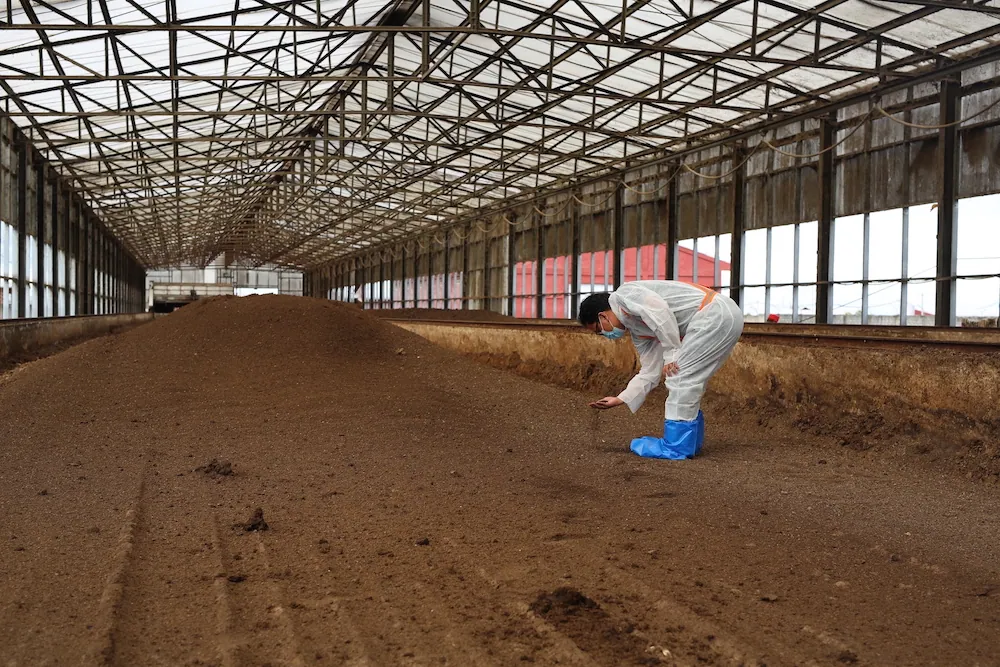
Waste management should also be considered from the beginning. One of the common mistakes among first-time poultry raisers is building a coop without planning where manure and other waste will go.
Poorly managed manure can create strong odors and attract flies. It can also lead to neighbor complaints and, in some cases, regulatory concerns. A well-planned chicken coop at home should therefore include a practical system for collecting, storing, and disposing of poultry waste.
Consider the Philippine Climate
One of the biggest challenges for a home chicken coop in the Philippines is managing heat and humidity.
High temperatures can contribute to heat stress, while poor ventilation can increase the risk of respiratory problems. Bounty recommends considering the orientation and design of the poultry house carefully to help manage these conditions.
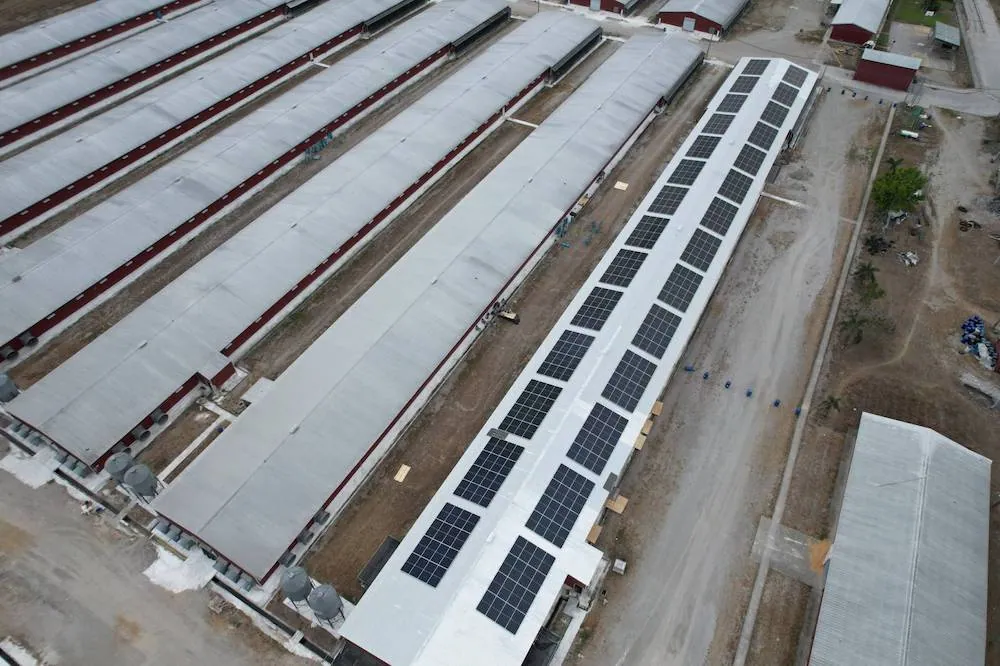
For new structures, an east-west orientation can help limit direct exposure to the sun. The layout can also be planned to take advantage of prevailing breezes and improve natural cross-ventilation.
Good airflow is especially important during hot weather. Depending on the housing system and flock size, fans can also be used to improve air movement around the birds.
Open or Closed Housing?
The right type of chicken coop at home depends on your scale, budget, location, and ability to manage the environment.
Open Houses
Open houses generally require less investment in climate control and lighting. Adjustable curtains can help protect birds from cold nighttime temperatures, strong winds, and driving rain. Fans can also be positioned near the birds to improve airflow during hot conditions.
The trade-off is that environmental conditions are less controlled. Temperature, humidity, and ventilation can change with the weather, so regular monitoring is important.
Closed Houses
Closed houses provide greater control over the environment. Temperature, ventilation, lighting, and other conditions can be managed more precisely.
For larger or more intensive operations, this can help maintain consistent production. However, a closed system generally requires greater investment in equipment, construction, and management.
For someone starting with a chicken coop at home, the choice should match the intended scale of the operation and the level of management and investment available.
Design for Bird Health
A good chicken coop at home should make it easier to keep birds healthy.
Provide enough space for the flock, maintain clean drinking water, and ensure feeders and drinkers are positioned to minimize contamination. The housing should also be easy to clean and disinfect.
Biosecurity needs to be part of the design. Limit unnecessary visitors, control access to the coop, keep equipment clean, and avoid introducing birds from unknown or potentially unhealthy sources.
For first-time poultry raisers, Bounty recommends learning about local disease risks and developing proper disease management practices, including vaccination and biosecurity, before expanding the flock.
Starting small allows you to learn these practices while your operation is still manageable.
Protect Your Investment With Good Management
Building a chicken coop at home is only the beginning.
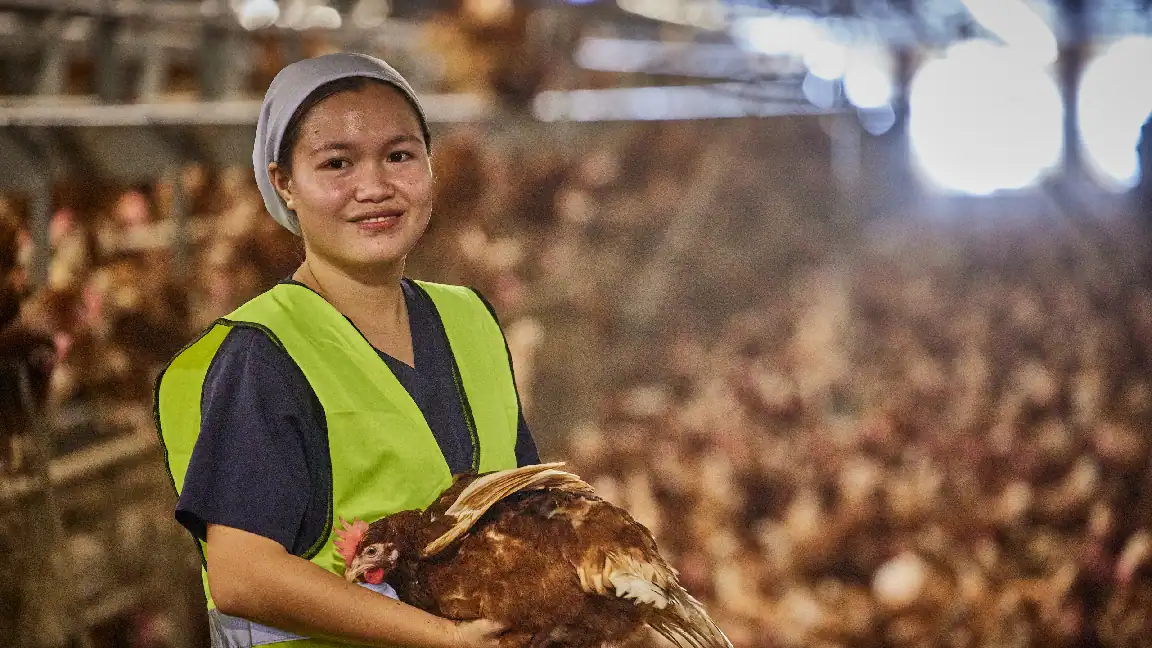
The health and productivity of your flock depend on what happens inside the coop every day. Nutrition, clean water, vaccination, sanitation, ventilation, and regular observation all contribute to better flock management.
Feed should also be appropriate for the birds’ age and purpose. Growing chickens have different nutritional requirements from laying hens, so choosing the right feed program matters.
Bounty’s poultry nutrition expertise through Inoza Feeds can support farmers seeking feed solutions tailored to the needs of different poultry types and production stages.
When You’re Ready to Grow
A chicken coop at home can be a useful starting point for learning poultry production. As your experience grows, you may eventually consider expanding your flock or exploring commercial opportunities.
Bounty works with poultry partners across the value chain and provides access to nutrition and technical expertise, animal health support, and partnership opportunities. For those considering a future in poultry, building good habits from the beginning can help create a stronger foundation for growth.
The goal is simple: raise healthy birds, protect your investment, and build the knowledge you need to take the next step.
Frequently Asked Questions
1. Where should I build a chicken coop at home?
Choose a well-drained location with good airflow and enough space for your flock. Keep the coop away from areas prone to flooding and plan waste management before construction.
2. Which direction should a poultry house face in the Philippines?
Bounty recommends considering an east-west orientation for new poultry houses. This can help reduce direct sunlight exposure while allowing the structure to take advantage of prevailing breezes.
3. Is an open or closed chicken coop better?
Both systems have advantages. Open houses can require less investment in climate-control equipment, while closed houses provide greater control over temperature, ventilation, and lighting. The appropriate system depends on your flock size, budget, location, and management capabilities.
4. What are common mistakes when building a chicken coop at home?
Common mistakes include poor location selection, inadequate ventilation, insufficient protection from rain and heat, overcrowding, and failing to plan for manure and waste management.
5. Can I start small before becoming a Bounty partner?
Starting small can help you develop practical skills in poultry management, including vaccination, biosecurity, nutrition, and disease prevention. Once you are ready to scale, Bounty offers opportunities and support for poultry partners across the value chain.