As global demand for poultry continues to rise, the way feed is produced becomes more critical than ever. The challenge lies in meeting this demand while ensuring that practices remain environmentally responsible. This is where Bounty Group’s Inoza Feed Mill’s approach to poultry feed production makes all the difference.
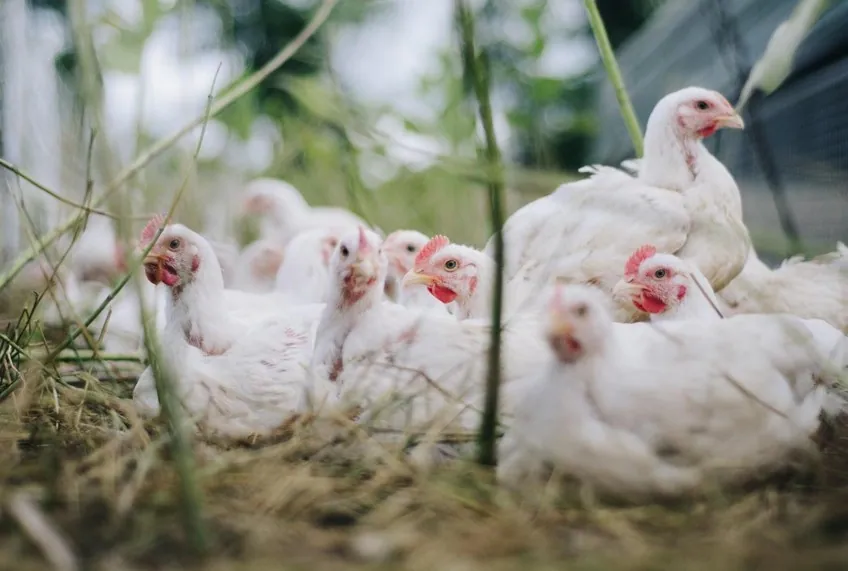
Feed is the backbone of poultry farming. The quality, composition, and consistency of feed directly influence the growth, health, and productivity of chickens. For years, the industry has faced challenges such as climate change, rising ingredient costs, along with novel macro raw materials to bridge the gap of by-product insufficiency, and the need to reduce environmental impact while feeding a growing population. Traditional feed production methods, while reliable, are not always sustainable in the long run.
This is why feed mills across the world are shifting toward more innovative solutions, and Inoza Feed Mill puts this practice into heart. By adopting smarter technologies and forward-thinking strategies for a holistic feed formulation, Inoza’s efforts have been recognized by many, with some even calling the organization “More than just a feed manufacturer.”
This demonstrates how poultry feed production can evolve into a more efficient, cost-effective, and eco-friendly process. Today, it is really about producing high-quality feed responsibly.
Key Innovations in Sustainable Feed Production
- Smarter ingredient sourcing
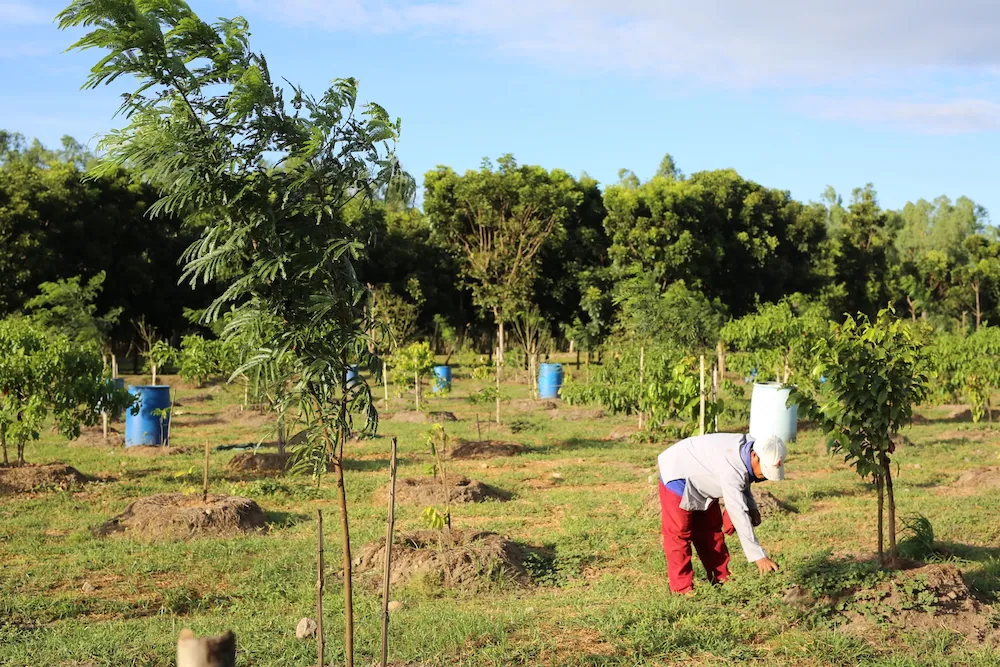
The raw materials that go into poultry feed production make up the foundation of sustainability. Bounty Group’s Inoza Feed Mill carefully sources ingredients with both nutritional value and environmental footprint in mind. Instead of overreliance on imported inputs, it looks toward locally available resources whenever possible. This minimizes transportation emissions and supports local agricultural systems, as well as it helps Filipino farmers and the Philippines’ agricultural economy as a whole.
- Energy-efficient operations
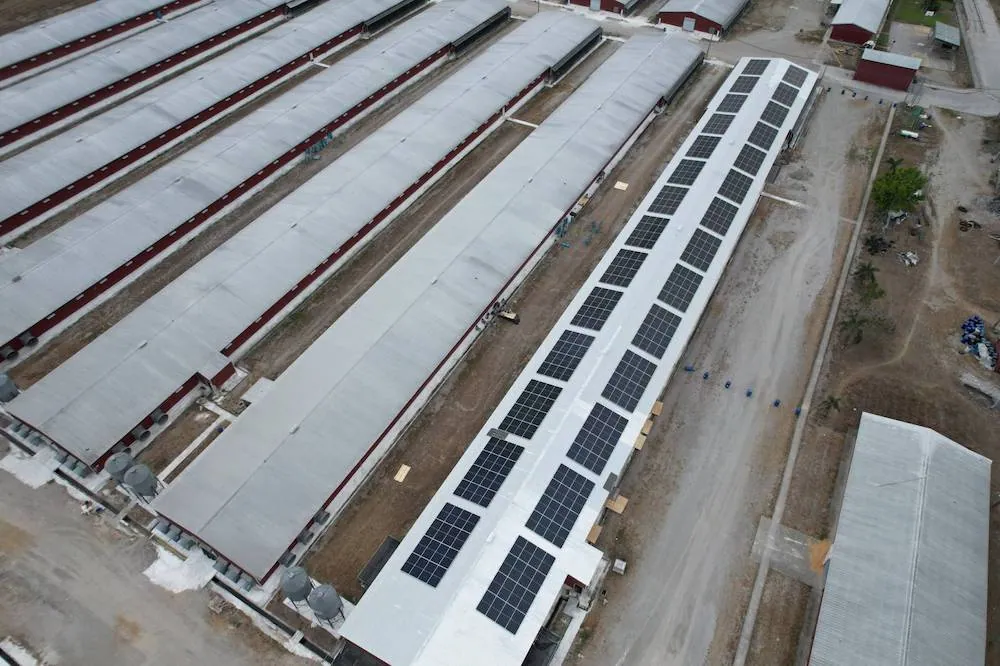
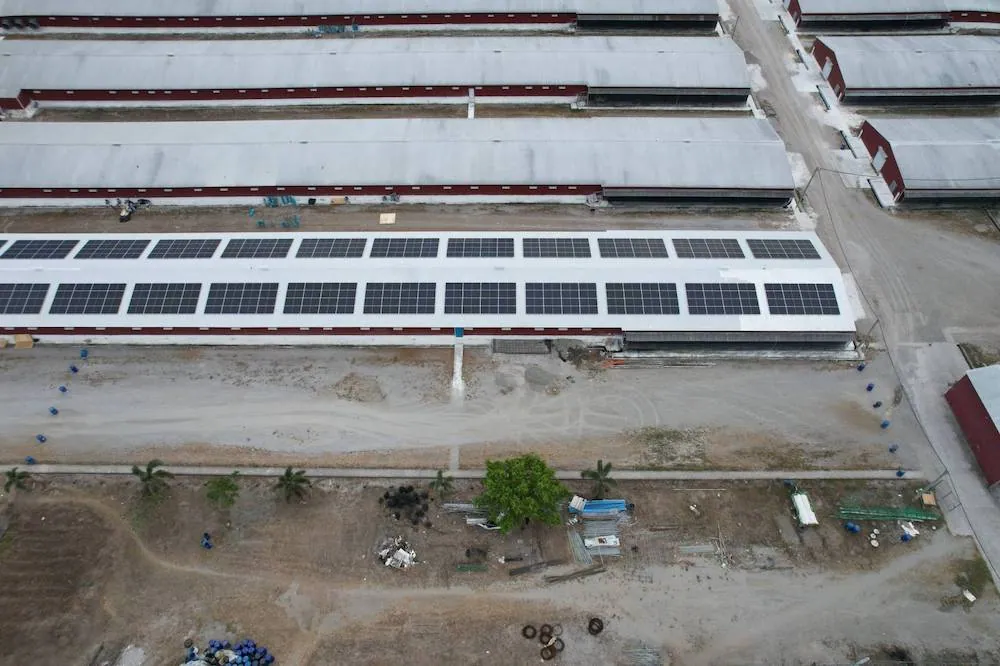
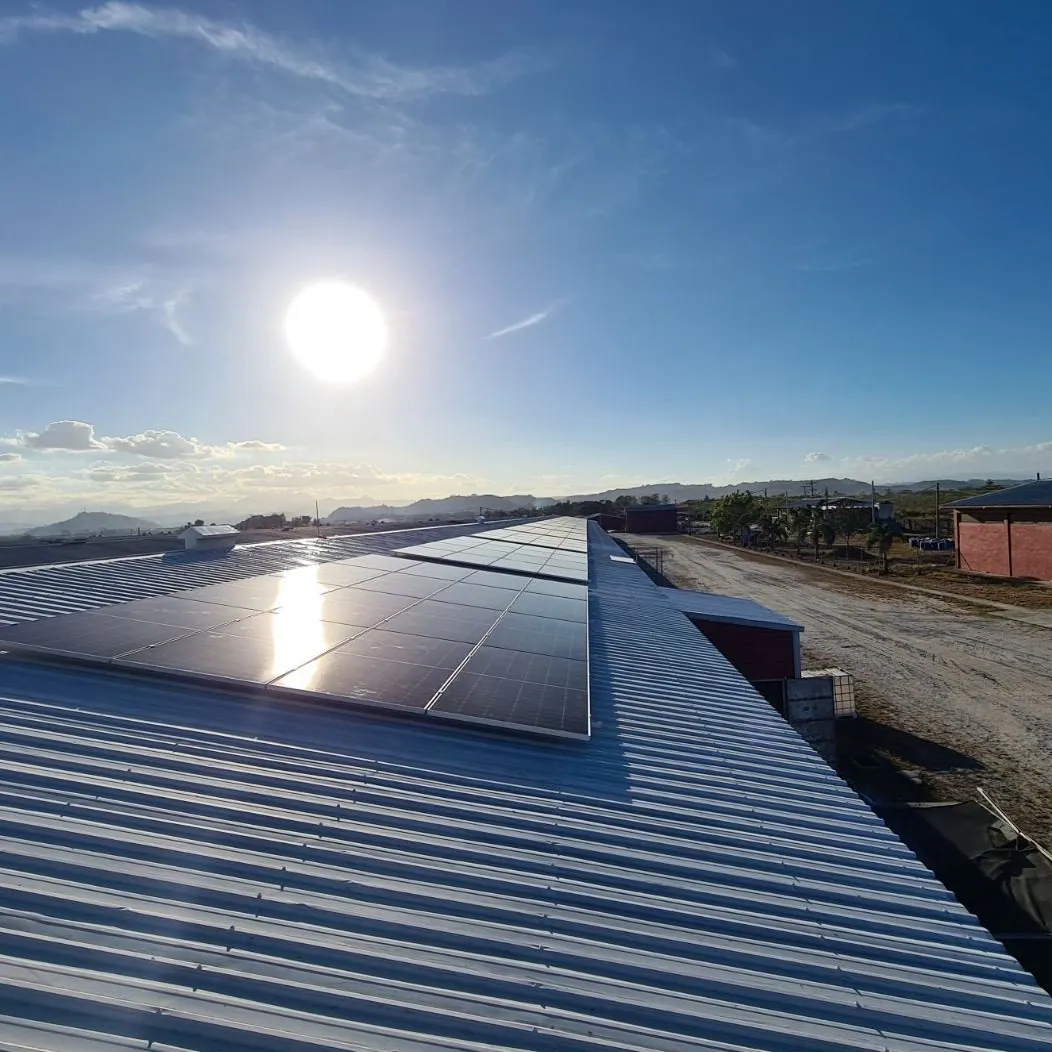
The production of feed involves a great deal of processing, from grinding to mixing to pelletizing. These steps traditionally require high amounts of energy- Inoza has invested in systems that optimizes energy use without compromising output. More efficient machinery and production lines mean less energy wasted per ton of feed produced, directly lowering the mill’s carbon footprint. - Waste reduction and circular practices
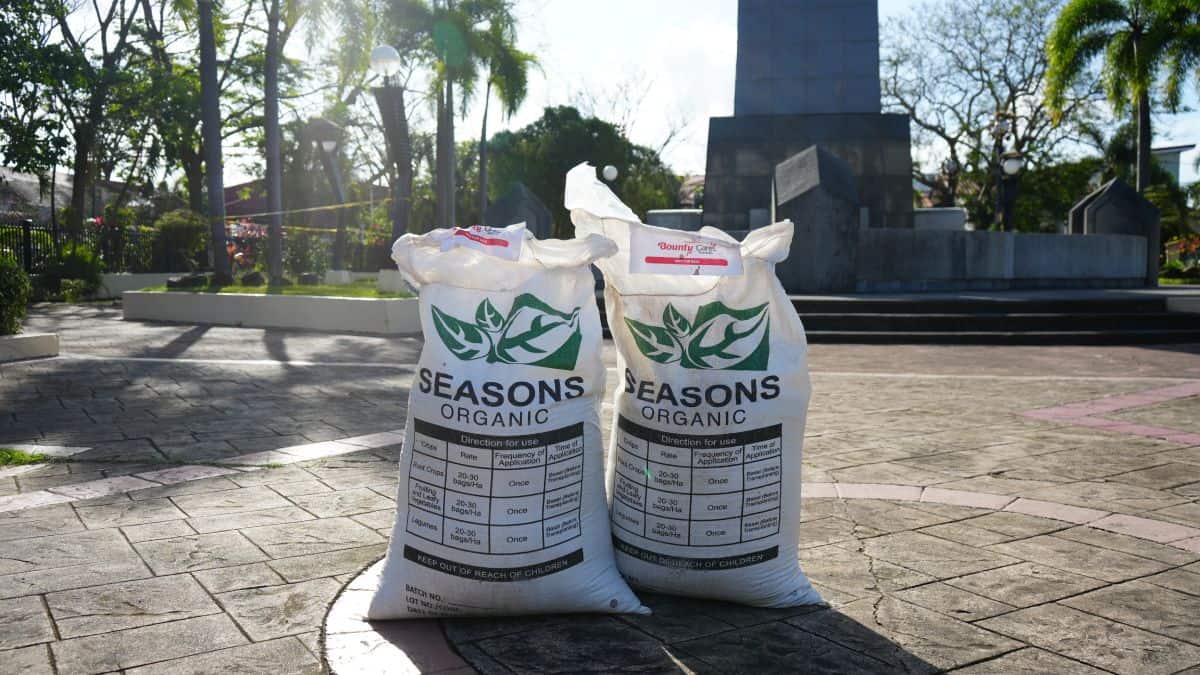
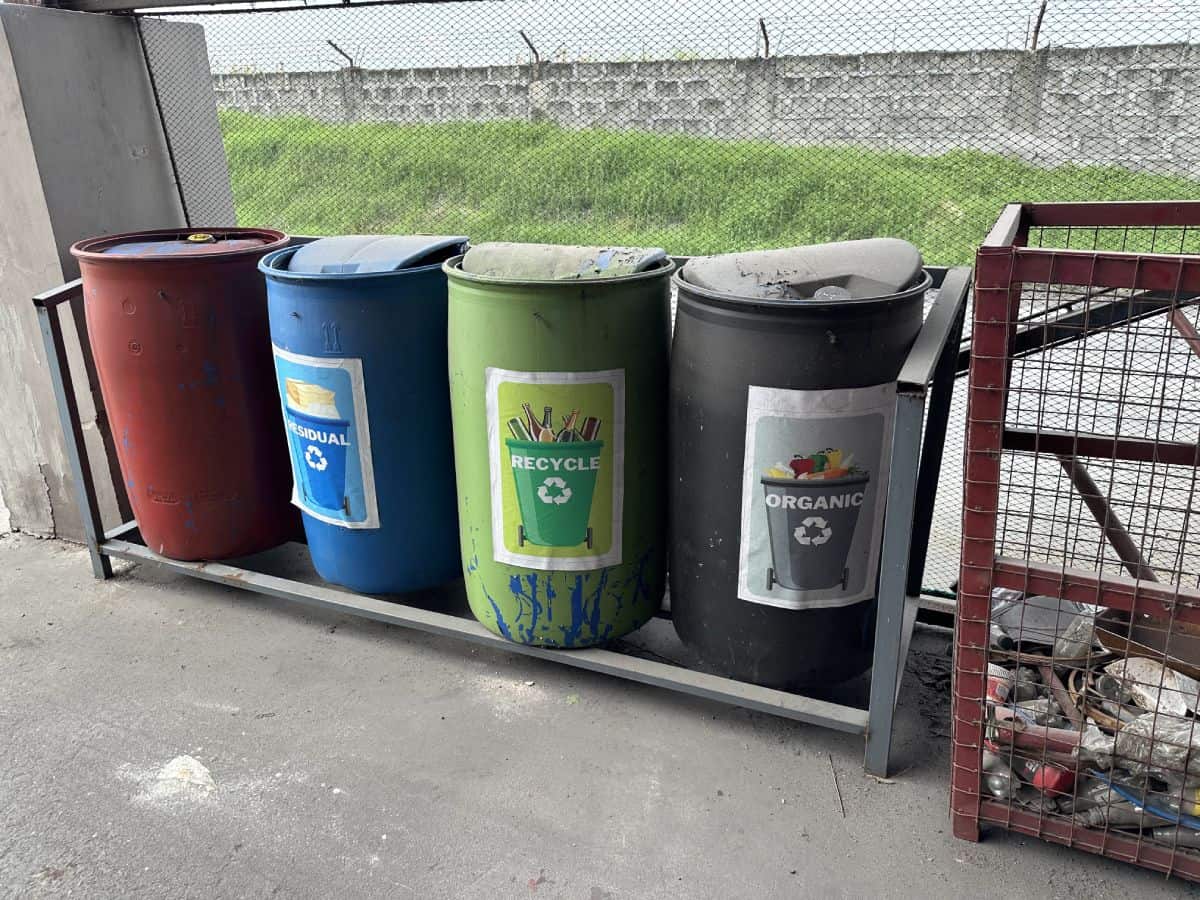
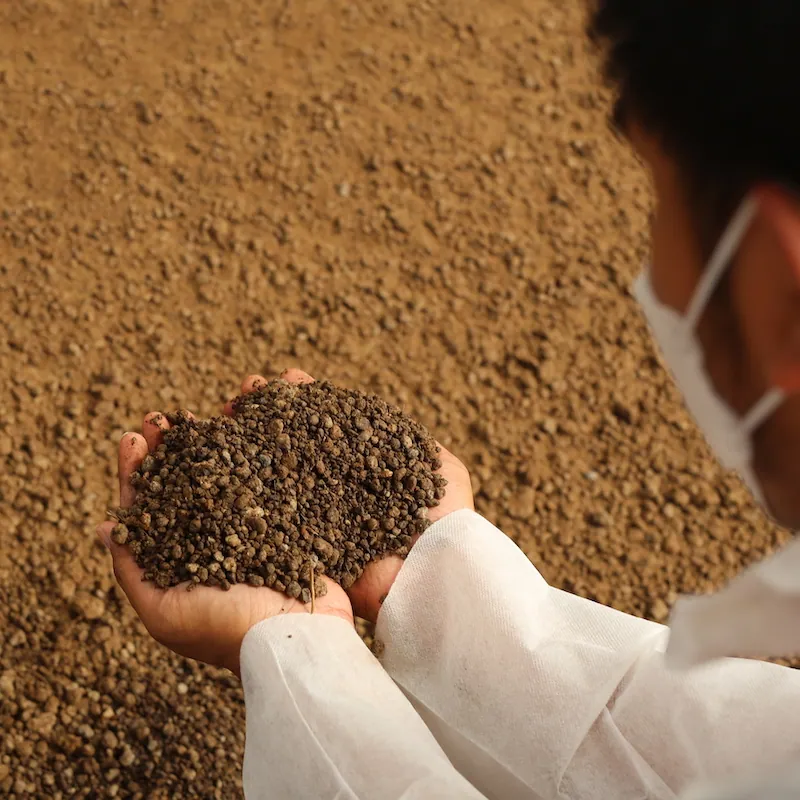
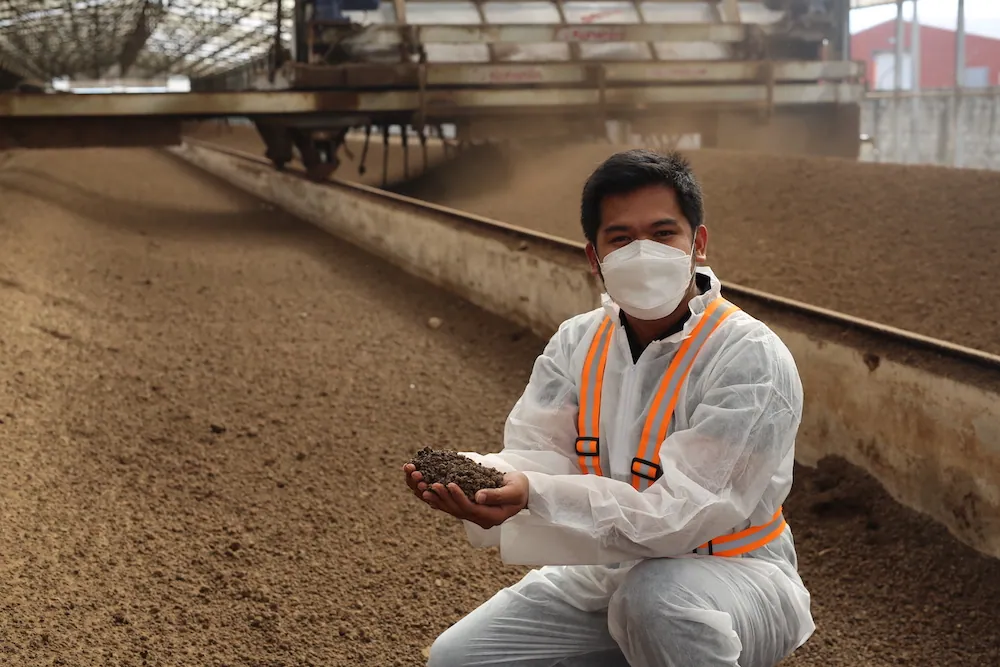
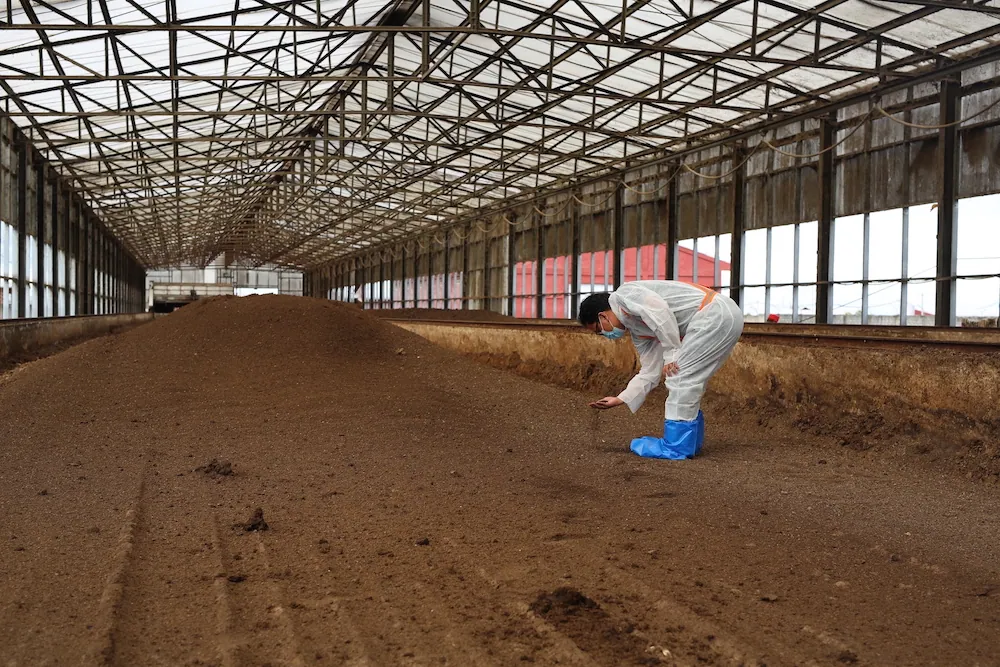
Sustainability also means knowing and planning how to manage byproducts. At our feed mills across the country, waste is minimized through recycling and responsible handling. By finding alternative uses for production byproducts, such as reintroducing safe materials into other processes, the mill ensures that less goes to waste. - Digital monitoring and precision production
Technology plays a central role in making feed production more sustainable. Inoza uses monitoring systems that allow for precision in mixing, moisture control, and quality assurance. By keeping processes highly accurate, the mill reduces errors, lessens the accumulation of manufacturing waste, and ensures that each batch of feed meets a consistent level of standards. This not only supports sustainability but also guarantees that poultry farmers receive reliable finished feed as it reaches the premises of every farm.
Sustainability as a Driving Principle
We hear the word sustainability a lot, and that’s for good reason. Some might think that it has become a buzzword, but for real, sustainability has become a driving principle for organizations nowadays.
These practices we went over go beyond the feed mill. As the Philippines’ poultry industry grows to meet both local and global demand, efficient poultry feed production makes sure this progress doesn’t harm the environment. Each step Inoza takes is built for both today and tomorrow, lowering costs now while protecting resources for the future.
This approach matters because farming faces many challenges, especially in the ever-so-unpredictable climate of the Philippines. Changing weather, rising demand for responsibly made products, and tougher competition all push feed mills to improve. Bounty Group’s Inoza Feed Mill anchors sustainability as part of everyday operations, not just a label. It guides how the mill works and how it supports its partners.
Shaping the Future of Poultry Feed Production
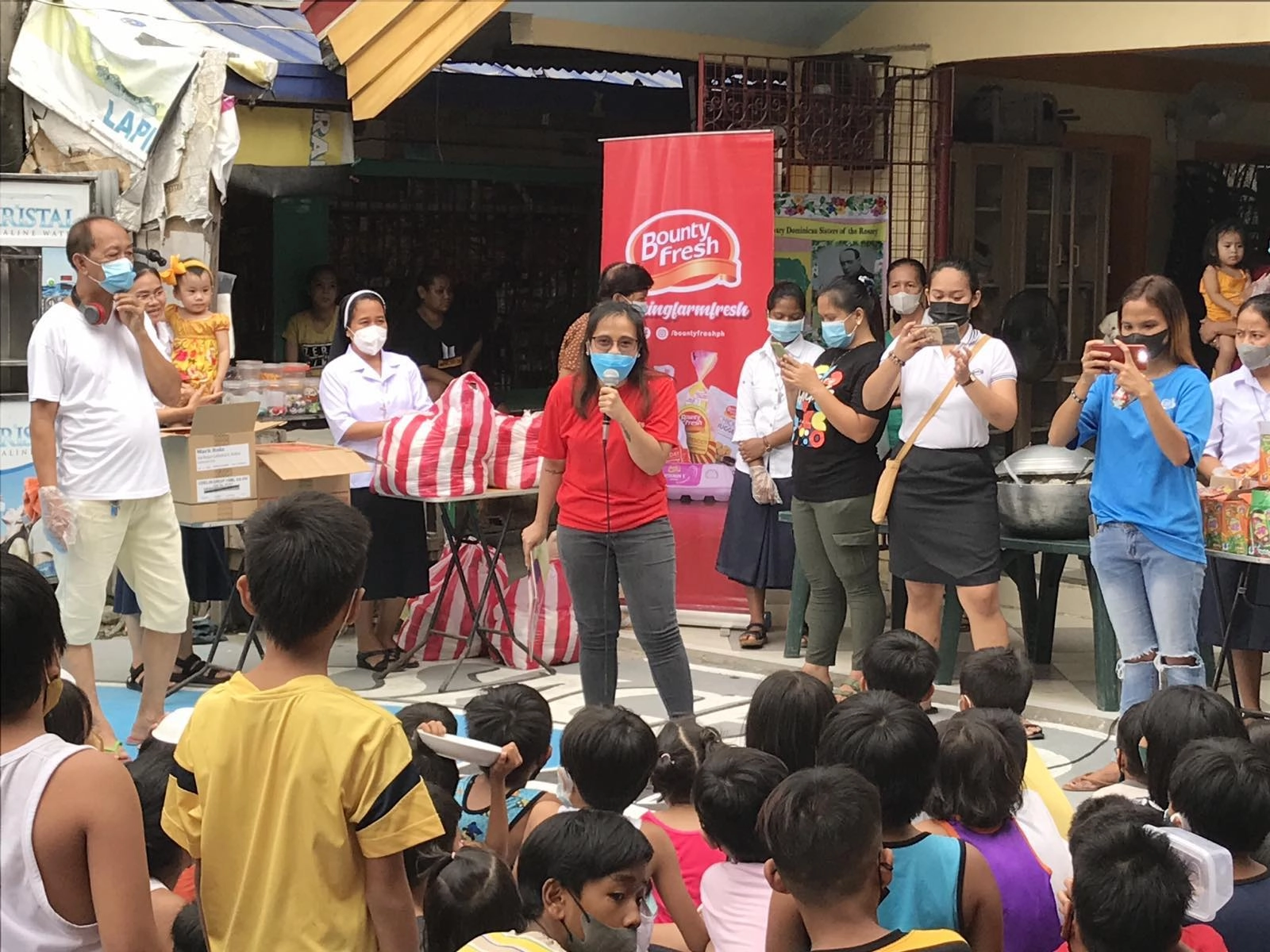
Agriculture moves forward when it learns to adapt. Bounty Group’s Inoza Feed Mill shows how an industry with deep roots can still find new ways to grow by prioritizing superior animal nutrition as the foundation of our Food Made Better promise. At Bounty, we believe that “good” is never enough; we are always thinking of ways to do more and do better. As a dedicated food producer, we continuously strive to create better products for every Filipino family. By using sustainable methods, the mill reduces its impact on the planet, all while making operations more efficient and profitable. This demonstrates that environmental stewardship and business success are not mutually exclusive.
To learn more about how Inoza Feed Mill is shaping the future of poultry feed production, contact us today.